

Stay Left of Bang
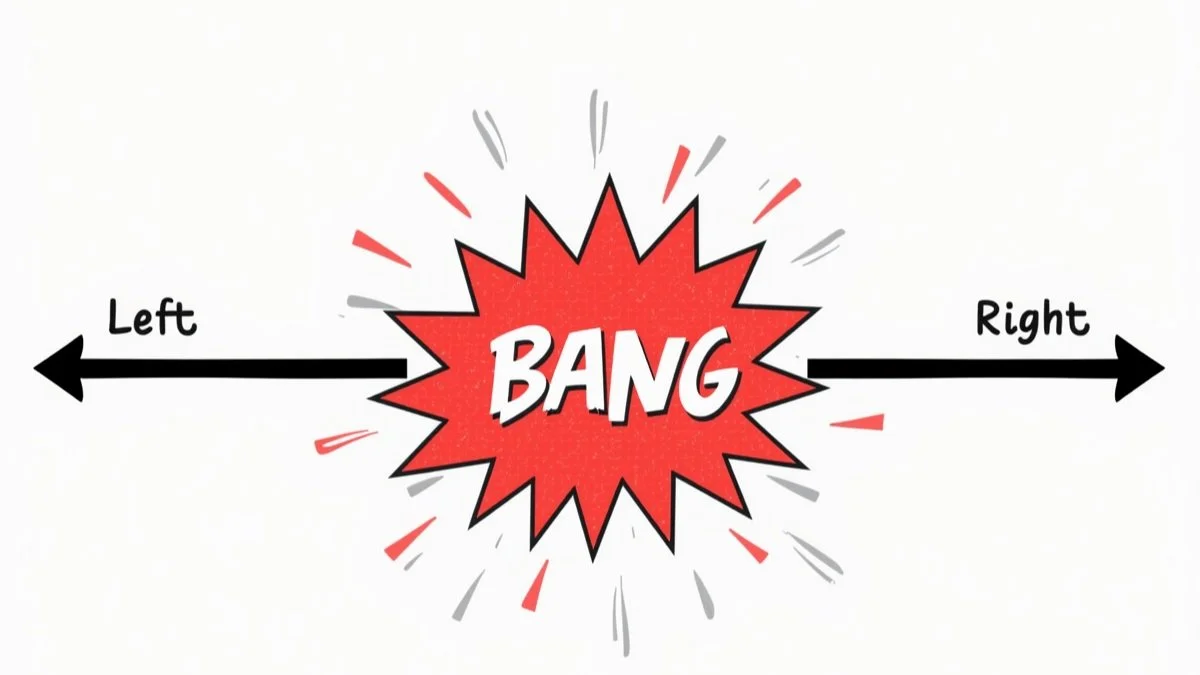
I was recently introduced to the concept: stay left of bang.
At first, I thought it was a typo. Curious, I looked deeper into its meaning and learned about its origins in the US Marine Corps. I noticed—almost instantly—how well this concept applies to The Gait Lab and the athletes I work with.
Left of Bang was written by Patrick Van Horne to help with tactics in disaster prevention. Picture a timeline, where the event—a literal explosion—is sitting at a single point in time. Everything to the left of that moment represents what happens before it. Everything to the right is the aftermath.
The goal is simple in theory: stay left of bang. Recognize a problem as it is building and intervene before the event ever occurs.
As I learned more about it, I started to see how clearly this applies to running—especially overuse injuries and overtraining. This concept of “stay left of bang” fits almost too well.
Almost daily, I hear a similar story from athletes after an injury:
“I was feeling great….”
“Some of my best runs all year….”
“I raced one weekend, then did a long run the next… felt amazing…”
“The pain didn’t start until a few days later…” “It didn’t even happen on a hard run…”
These are not unusual stories, if fact, they are incredibly common. All these stories highlighted something important—the moment an injury shows up, it is often disconnected from the moment things actually started to go wrong.
I picture this process like a Jenga tower.
Run by run, you are laying down blocks—building a solid tower. Training is progressing, fitness is improving, and everything feels stable. In fact, it often feels better than ever.
But at some point, the process subtly shifts.
We get a little greedy. We add in an extra tempo run. We stretch the long run a bit further. We start stacking harder efforts closer together.
Recovery becomes more optional, more by feel than intentional or programmed.
The tower still stands strong—but we’re no longer just building it. We’ve started pulling blocks out.
Nothing dramatic happens right away. In fact, this is often the phase where runners feel their best. The system seems to be holding strong.
Eventually—if we’ve pulled out too many blocks—the tower crumbles. “Bang”.
How do you stay left of bang?
This is where things become more challenging—because the most vulnerable phase is often when you feel your best. And by the time you recognize a problem—it’s often too late.
The Marine Corps uses “left of bang” to prevent threats before they happen, rather than reacting after the fact. They train service members to recognize early behavioral cues, environmental changes, and patterns that signal something isn’t right—so they can intervene before a situation escalates into an attack (“the bang”).
An overuse injury isn’t a literal bomb—but it often feels just as sudden, and just as unexpected. However, there are clear ways to get ahead in attempts to avoid injury. Here are a few principles of implementing left of bang for athletes and runners:
1. Build in de-load weeks before you need them
Recovery shouldn’t be something you earn—it should be something you plan. Performing well isn’t a fluke; it is a calculated progression of both training and recovery.

A simple structure is to reduce volume every fourth week to around 60% of the previous week. During higher training loads, shifting to a three-week cycle might be appropriate.
A de-load week can still include the same amount of run by shortening individual runs, by removing sessions entirely or by swapping out volume with cross-training (cycling, for example). The exact structure matters less than the intention: giving your body the opportunity to absorb what you’ve built and come back stronger.
2. Respect the cost of racing
Races carry a level of stress that is easy to underestimate, especially when they are longer endurance races.

For efforts lasting two hours or more, taking at least one full week away from running is appropriate (and two+ weeks for longer events). From there, a gradual return—starting with shorter, easy runs—allows the system to recalibrate before building hard runs again (base before pace).
One of the most common ways runners drift right of bang is by treating a race like a checkpoint, rather than a peak stress event. Because you have built up a strong base, a couple weeks off won’t cost you your fitness—and sets you up for better training moving forward. Trust the process, take some down time, then build back smartly.
3. Know your strengths and weaknesses
One important element of staying left of bang is understanding where your system is underprepared for load—not guessing.
Strength training plays a significant role in both performance and injury resilience—but its value comes from being specific and meaningful.
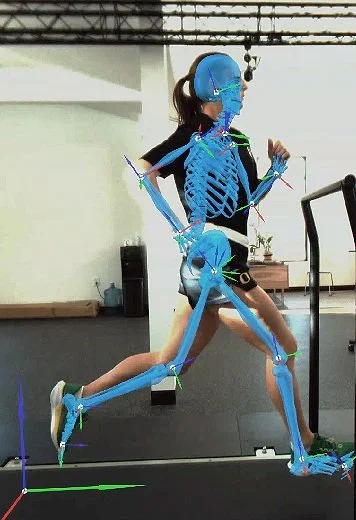
Knowing how you move matters.
Your running form determines how forces are distributed through your body with every step. Small inefficiencies—especially when repeated thousands of times—can quietly increase stress in certain areas.
Over time, those patterns can become the difference between building fitness and breaking down.
Understanding both your strength profile and how you move helps identify where you are underprepared for load. When you know your gaps, you can address them before they show up as pain or injury.
There’s another layer to this.
One of the challenges in staying left of bang is that our perception doesn’t always match reality. Feeling strong doesn’t necessarily mean your system is ready for more—it may simply mean you haven’t felt the consequences yet.
Training is only one piece of the overall load your body is managing. Sleep, life stress, and recovery all influence how much you can actually handle. Read our previous blog on stress for a deeper dive: Stress and Running Injuries
Closing
The goal of training isn’t to see how much you can get away with.
It’s to build something that lasts.
That means recognizing when things are trending in the wrong direction—even when everything feels good. It means stepping back before you’re forced to and paying attention to the quieter signals that often get overlooked.
Most injuries don’t come out of nowhere. They build gradually, just out of view, until they finally make themselves known.
Staying left of bang is the practice of seeing those patterns early—and acting on them.
And more often than not, that starts with understanding your body a little more clearly.
Get assessed. Train smarter.